High Quality Lamb Meat – Choosing The Right Cuts And How To Cook Them Well
Great lamb is not “expensive meat,” it is meat that tastes clean, cooks tender, and stays consistent from the first bite to the last. In this article, you will learn how to recognize high quality lamb meat, why nutrition matters, how to choose the right cuts, and where to buy with confidence.
Delicious high quality lamb meat – What are the criteria for delicious high quality lamb?
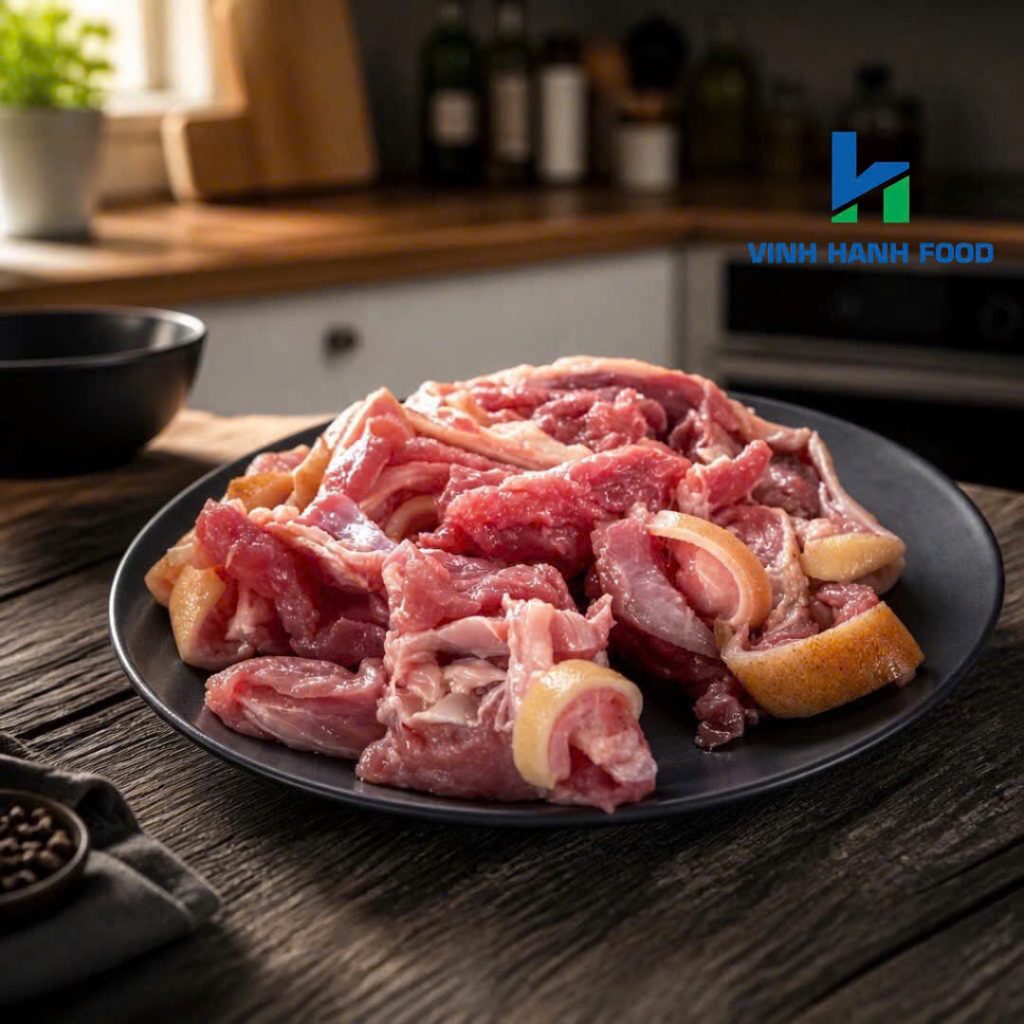
Truly delicious lamb is not defined by price or appearance alone. It is the result of proper animal raising, careful slaughtering, and correct handling from start to finish. When these factors align, high quality lamb meat delivers clean flavor, natural tenderness, and stable performance during cooking.
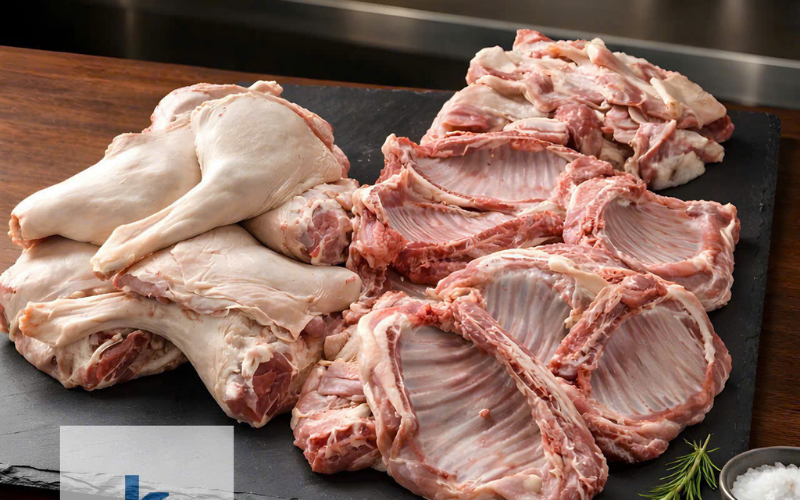
High-quality lamb typically has a bright red to rosy color, indicating freshness and proper oxygen exposure. The surface should look clean, slightly moist, but never wet or slimy. Discoloration or dull gray tones often signal improper storage or aging.
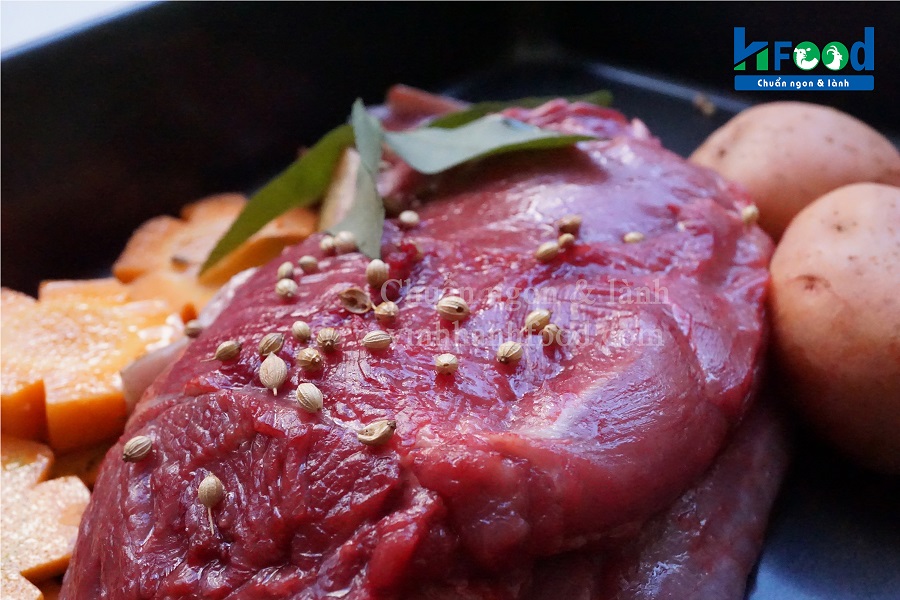
Fresh lamb should have a mild, clean aroma without strong or unpleasant odors. A neutral smell allows the meat’s natural sweetness to develop during cooking. This is a key sensory indicator when identifying high quality lamb meat before preparation.
When pressed gently, quality lamb should spring back, showing good elasticity. Fat should be evenly distributed in thin layers rather than thick patches. Balanced fat enhances juiciness and mouthfeel without creating greasiness.
Nutritional value of high quality lamb meat
The nutritional value of lamb is most noticeable when quality is stable and handling is correct. When properly sourced and processed, high quality lamb meat supports not only protein intake, but also digestion comfort and overall meal satisfaction.
Lamb is known for its complete protein structure, but quality determines how the body reacts after eating. Fresh, well-handled lamb tends to feel lighter on digestion compared to poorly stored meat, making it suitable for regular meals as well as restaurant dining.
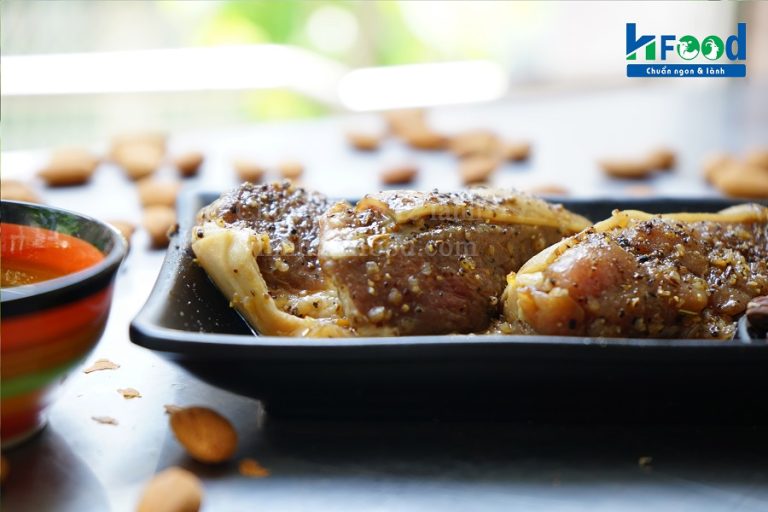
Balanced natural fat in lamb contributes to flavor and creates a satisfying fullness without heaviness. This explains why properly cooked lamb portions often feel enough even when serving sizes are moderate.
Minerals such as iron and zinc, along with vitamin B12, are naturally present in lamb. These nutrients are better preserved when meat is fresh and minimally processed, reinforcing the importance of sourcing quality lamb from reliable suppliers.
How to choose quality lamb meat
Choosing lamb well relies on simple but consistent checks rather than complicated theory. With basic observation and handling knowledge, buyers can reliably select high quality lamb meat that cooks evenly and delivers predictable results.
Quality lamb should appear fresh with a clean surface and controlled moisture. Excess liquid often indicates improper storage or repeated freezing, which affects both texture and flavor during cooking.
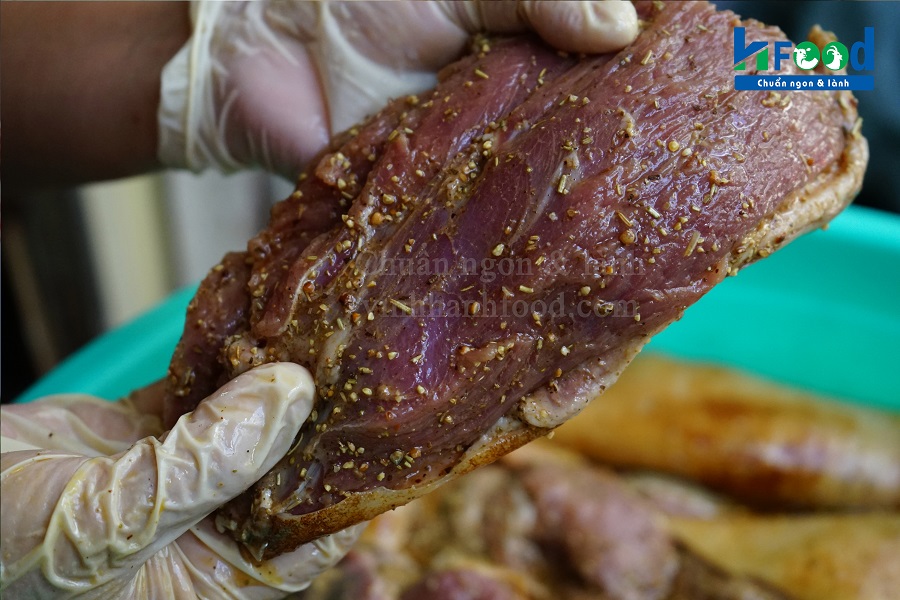
When pressed lightly, good lamb should feel firm and spring back. Meat that feels mushy or collapses easily often cooks unevenly and loses juiciness.
Proper packaging, clear labeling, and maintained refrigeration indicate careful handling. These details directly influence how lamb performs in the kitchen, especially for slow cooking or roasting.
Where to buy high quality lamb
In Vietnam, choosing a reliable supplier plays a decisive role in maintaining consistent lamb quality. Vinh Hanh Food is widely recognized by customers and food service partners for providing stable, fresh high quality lamb meat that performs consistently in real cooking conditions.
Many restaurant owners and repeat customers choose Vinh Hanh Food because lamb quality remains stable across orders. Cuts are clean, fresh, and similar in size, helping kitchens maintain consistent dishes without frequent supplier changes.
Customers often value the ability to request specific cuts and quantities suited to their menus. This practical flexibility reduces waste and improves planning, especially for restaurants that rely on lamb as a regular menu item.
Beyond individual purchases, Vinh Hanh Food has earned trust through long-term cooperation with restaurants and food service partners. Stable supply, consistent quality, and quick response have made it a dependable choice for many professional kitchens.
Có thể bạn quan tâm:
-

Các phần thịt cừu gồm những gì? Đặc điểm và món ngon phù hợp
-
Menu quán thịt cừu: 25 món hấp dẫn và cách xây dựng thực đơn
-

Thịt dê viên làm món gì ngon? 5 món dễ làm cho bữa cơm
-

Cách làm thịt dê áp chảo sốt tiêu đen mềm, thơm và mọng nước
-
Các phần thịt dê gồm những gì? Cách chọn phần phù hợp món ăn
-
Cách làm dê tái chanh ngon mềm, chuẩn vị và dễ thực hiện