Lamb For Steak – How To Pick The Right Cut For Juicy, Restaurant-Level Steaks
A great steak is not only about technique. It starts with choosing the right cut, keeping it cold, and cooking it with smart timing. In this article, Vinh Hạnh Food will help you understand how to pick lamb for steak that tastes clean, tender, and “chef-level” at home.
Where to buy lamb for steak?
When choosing where to buy lamb for steak, the key factor is the seller’s ability to meet steak-level requirements consistently. A reliable seller should demonstrate clear product knowledge, transparent handling practices, and stable quality across multiple purchases rather than focusing on one-time freshness claims.

Because steak-style cooking involves high heat over a short period, sellers must maintain strict cold-chain control throughout processing, storage, and delivery. Reputable suppliers prioritize hygienic processing environments, sealed packaging, and continuous low-temperature management to ensure the meat performs well during cooking.
In Vietnam, Vinh Hạnh Food is recognized as a supplier that aligns with these expectations. By maintaining consistent processing standards and serving both restaurant kitchens and home cooks, Vinh Hạnh Food helps buyers source lamb for steak with confidence, without compromising cooking performance or consistency.
How to store lamb for steak
Proper storage plays a critical role in determining whether a steak turns out juicy or disappointing. Even the best cut can lose its quality if temperature control, moisture balance, or odor protection is neglected. The core objective of storage is to keep the meat consistently cold, maintain a dry surface, and protect it from environmental factors that negatively affect texture and flavor.
Refrigerating Raw Lamb Before Cooking
Raw lamb for steak should be stored in a refrigerator at a stable, low temperature and used within a clearly planned cooking timeframe. When kept correctly, the meat remains firm to the touch, slightly elastic, and free from excess surface moisture. These characteristics are essential for achieving a clean, even sear during high-heat cooking. Storing the meat loosely covered or exposed to fluctuating temperatures can cause condensation, which interferes with browning and leads to uneven cooking results.
Freezing Lamb Without Compromising Steak Quality
When longer storage is required, freezing is a practical option, but it must be done carefully. Airtight packaging or vacuum sealing is essential to prevent dehydration and freezer burn. Exposure to air during freezing causes moisture loss within muscle fibers, resulting in a dry, grainy texture after cooking. Maintaining a consistent freezer temperature helps preserve the structural integrity of the meat, ensuring it can still perform well under intense heat when prepared as a steak.
Proper Thawing to Preserve Juiciness
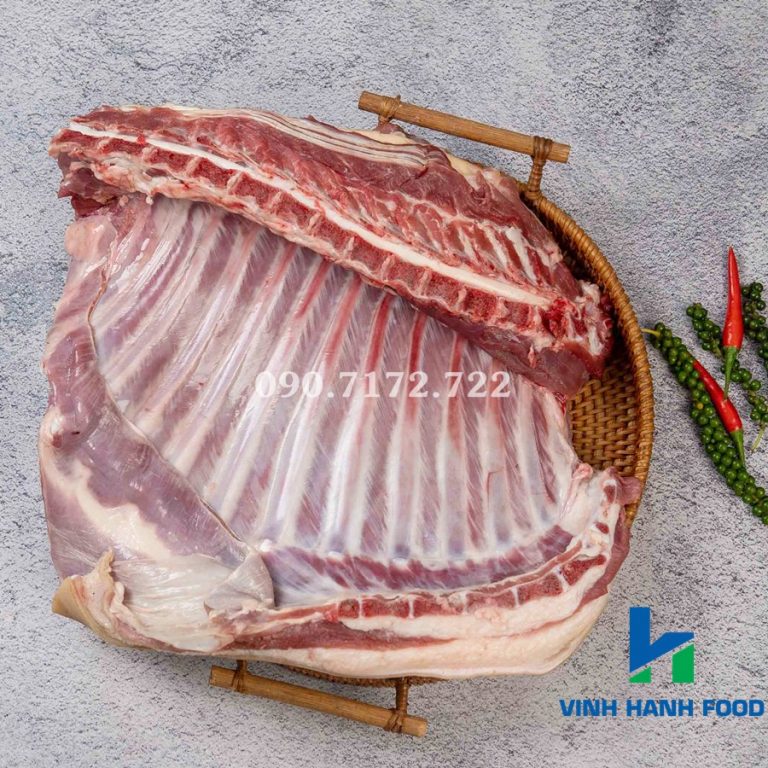
Slow thawing in the refrigerator is the safest and most effective method for preparing lamb for steak before cooking. Gradual temperature adjustment allows moisture to redistribute evenly throughout the meat, reducing juice loss during searing. Rapid thawing methods often create uneven internal temperatures, causing the surface to release moisture too quickly. As a result, the steak steams instead of browning, compromising both texture and flavor.
The best lamb for steak recipes
Cooking steak-style lamb is less about complex seasoning and more about mastering core techniques. When prepared correctly, lamb can develop a deeply caramelized crust on the outside while remaining juicy and tender inside. Understanding how heat, timing, and resting interact with the meat is essential for achieving restaurant-level results.
High-Heat Cooking and Precise Timing
One of the most important principles in steak preparation is the use of high heat over a short period. This method allows the surface of the meat to brown quickly through caramelization, creating depth of flavor without overcooking the interior. Pan-searing is often the most practical approach because it offers direct heat contact and precise control. When cooking lamb for steak, timing must be adjusted carefully based on thickness to avoid drying out the meat while still forming a proper crust.
Using Bone-In Cuts for Enhanced Flavor
Bone-in cuts bring an additional layer of complexity to steak preparation. The bone acts as a heat conductor and retainer, helping the meat cook more evenly and enhancing its natural aroma. However, these cuts require careful attention to cooking time, as the bone can slow heat penetration in certain areas. When handled properly, bone-in lamb for steak delivers a richer flavor profile and a visually appealing presentation that is often favored in restaurant kitchens.
Minimal Seasoning to Preserve Natural Taste
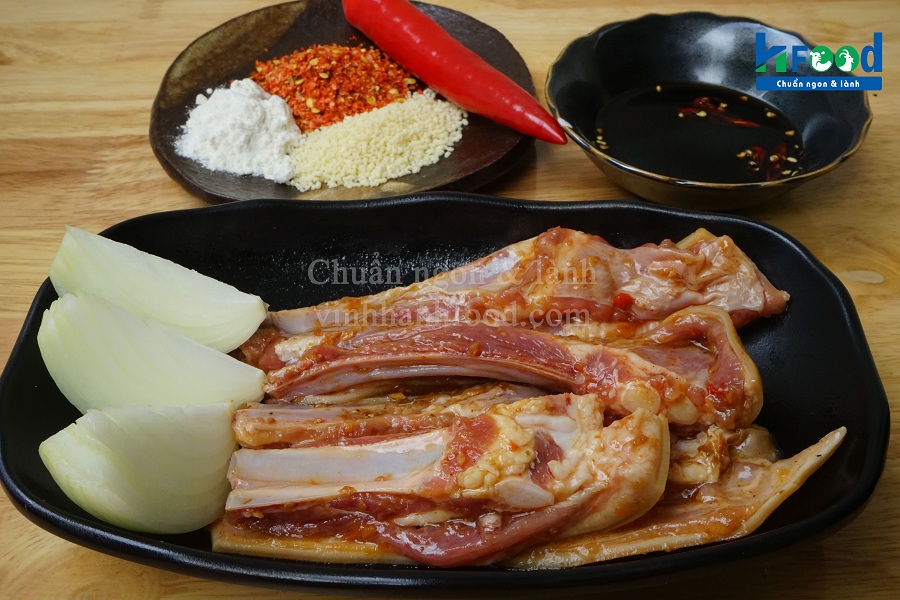
Lamb has a distinctive natural sweetness that can easily be overshadowed by excessive seasoning. Simple preparation allows this character to shine. Applying salt before cooking helps improve moisture retention and enhances flavor at a structural level, rather than masking it. Pepper and herbs, if used, should support rather than dominate the taste. This restrained approach ensures that the meat remains the focus of the dish.
Resting the Meat for Juiciness
Resting is a critical but often overlooked step in steak preparation. After cooking, meat fibers are tight and internal juices are concentrated toward the center. Allowing the steak to rest for several minutes enables the juices to redistribute evenly throughout the cut. Skipping this step can result in moisture loss when slicing, reducing overall tenderness and eating quality.
Vinh Hanh Food is the address that sells delicious, lamb for steak
For those seeking consistent, ready-to-cook lamb for steak, supplier reliability plays a decisive role in the final cooking outcome. Steak-style preparation demands meat that is evenly cut, properly trimmed, and handled under strict temperature control from sourcing to delivery. Without these conditions, even skilled cooking techniques may fail to deliver the desired tenderness and juiciness.
Vinh Hanh Food emphasizes controlled sourcing and standardized processing to ensure each lamb cut meets steak-level requirements. From careful selection of raw materials to precise trimming and portioning, every step is designed to maintain muscle integrity and natural moisture. This level of consistency allows cooks to achieve predictable results across multiple meals, whether cooking at home or operating a professional kitchen.
With properly prepared portions, products from Vinh Hanh Food reduce preparation time while maintaining quality. Many customers continue choosing Vinh Hanh Food because stable quality minimizes trial-and-error during cooking. When using reliable lamb for steak, cooks can focus fully on heat control, seasoning, and plating, instead of worrying about meat performance or inconsistency.
Có thể bạn quan tâm:
-

Cách làm dê tái chanh ngon mềm, chuẩn vị và dễ thực hiện
-

Thực phẩm chế biến sẵn: Phân loại, Lợi ích & 5 Bí quyết lựa chọn an toàn 2026
-

Thịt Cừu Nhập Khẩu: Phân Loại Và Bí Quyết Chế Biến Ngon Nhất
-
Mồi Nhậu Nhanh Gọn Tại Nhà: Gợi Ý Hấp Dẫn Cho Mọi Cuộc Vui, Mồi Nhậu Nhanh Gọn Dễ Làm
-
Thực Phẩm Tiện Lợi Là Gì? Xu Hướng Thực Phẩm Tiện Lợi 2026 Và Cách Chọn Thực Phẩm Tiện Lợi An Toàn
-
Dồi Dê – Đặc Sản Thơm Ngon: Cách Làm & Địa Chỉ Mua Uy Tín 2026