Premium Lamb Meat: Flavor Profile, Quality Standards, And Buying Guide
Premium lamb meat is increasingly favored by restaurants and discerning consumers for its refined flavor and consistent quality. However, understanding what truly defines high-quality lamb requires practical insight and industry experience. Drawing from the hands-on experience of Vinh Hanh Food, a long-established lamb supplier in Vietnam, this article highlights key characteristics and quality standards to help readers better evaluate and appreciate premium lamb.
Characteristics & Benefits of Premium Lamb Meat
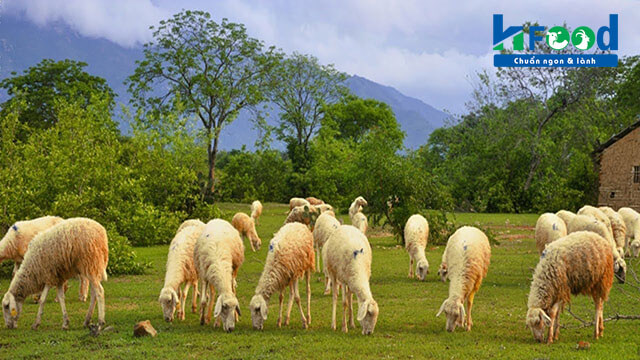
Premium lamb meat stands out for its naturally sweet aroma, fine-grain texture and ideal balance of lean meat and fat. Before reviewing individual benefits, it is important to understand that lamb quality depends greatly on breed, diet and farming environment. Organically raised lambs that graze freely on natural grasses often develop deeper flavor and improved tenderness.

Premium lamb meat is also known for its rich supply of protein, iron and essential fatty acids such as omega-3. These nutrients support cardiovascular health and provide steady energy levels. High-quality lamb, such as that provided by Vinh Hanh Food, is raised in controlled conditions that ensure clean feeding sources and safe processing standards, making it suitable for both home cooking and fine dining establishments.
Common Cuts & Their Uses
Different cuts of premium lamb meat provide unique textures and cooking properties. Understanding each cut helps chefs and home cooks choose the right technique for the best flavor and tenderness.
Buy the product now at: Vinh Hanh Food lamb
Leg (bone-in or boneless)
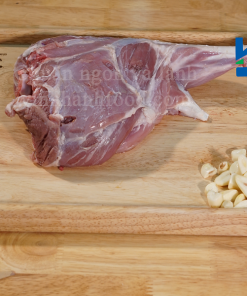
The lamb leg comes from the hindquarter and contains dense muscle fibers due to frequent movement. This results in a firm texture with a balanced ratio of lean meat and fat. The flavor is clean and moderate, not overly fatty, allowing the natural lamb taste to stand out. Bone-in legs tend to retain slightly more moisture, while boneless legs offer a more uniform muscle structure.
Lamb ribs / French rack / chops
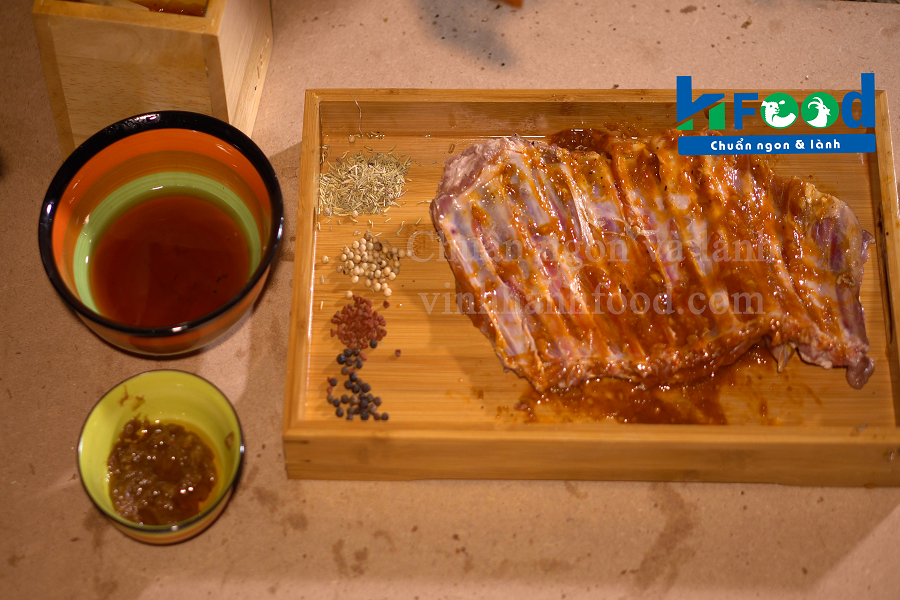
These cuts are taken from the rib section and are characterized by fine muscle fibers and a higher fat concentration. The fat is evenly distributed between the layers of meat, contributing to a naturally juicy texture. Compared to lean cuts, this section delivers a richer and more pronounced flavor, reflecting the depth and fullness often associated with premium lamb meat. French racks are also notable for their consistent rib structure and visual symmetry.
Shoulder, shank, or foreleg
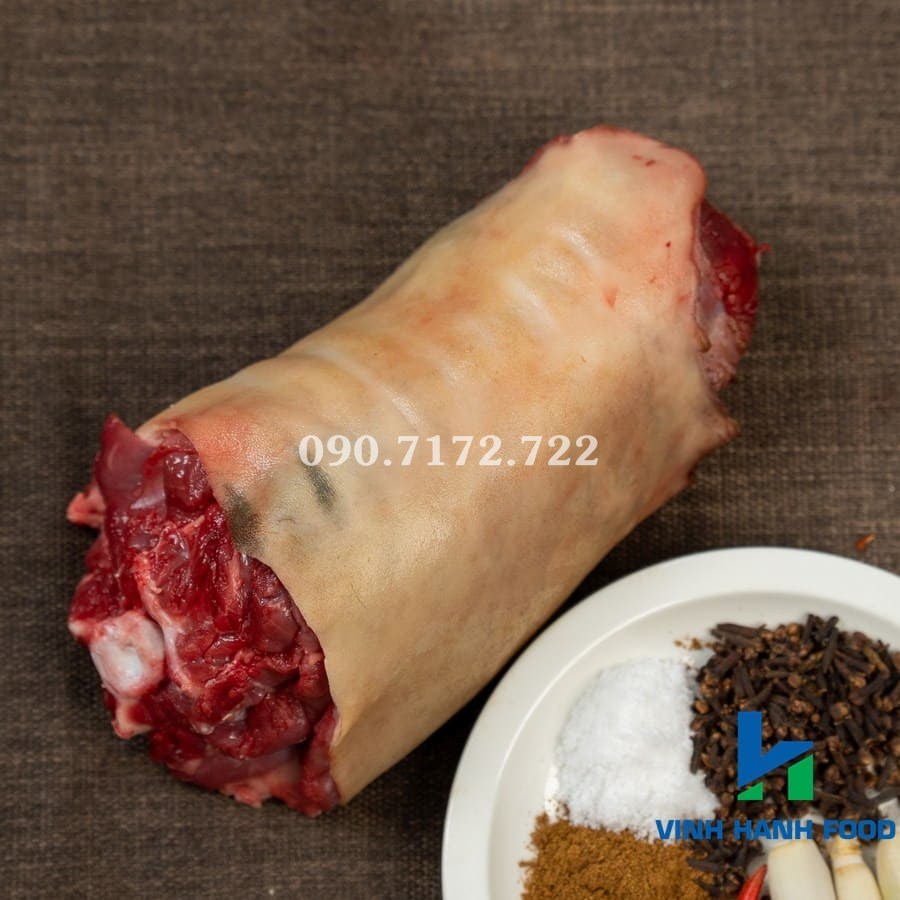
Cuts from the shoulder and foreleg contain a high level of connective tissue and collagen due to constant movement. In raw form, the meat appears firmer and more fibrous. These parts develop deep flavor potential as collagen defines their dense texture and richness, making them distinct from softer cuts.
Loin / lean cuts
Loin cuts are located along the back and are among the most tender parts of the lamb. They have very fine muscle fibers, minimal connective tissue, and low fat content. The flavor profile is mild, clean, and delicate, highlighting the purity of premium lamb meat rather than richness.
How to Select & Properly Store Premium Lamb
Choosing premium lamb meat starts with visual and sensory inspection. Fresh lamb should display a bright red or light rosy color, indicating good oxygen exposure and proper handling. The meat surface should appear moist but not wet or sticky. When gently pressed, the texture should feel firm and elastic, returning to its original shape quickly. A subtle, clean aroma is a key indicator of freshness, while any sour or strong odor may suggest improper storage. Packaging should be tightly sealed, intact, and free from excess liquid, with clear evidence that cold-chain temperature has been maintained.
Proper Storage Practices Proper storage plays a critical role in preserving the quality of premium lamb meat. For short-term use, lamb should be stored at temperatures between 0-4°C to slow bacterial growth while maintaining freshness. For long-term preservation, freezing at 18°C is recommended to protect texture and flavor. Lamb should be wrapped tightly or stored in airtight containers to prevent freezer burn and moisture loss. Avoid repeated thawing and refreezing, as this can degrade both texture and taste.
Recommended Dishes & Cooking Methods for Premium Lamb
Premium lamb meat adapts well to many culinary techniques. Different cuts respond best to different cooking methods to maximize flavor.
Roasting / BBQ / Pan-searing
Large cuts such as lamb leg and French rack are commonly used for roasting, barbecue, or pan-searing in many cuisines. Dry-heat cooking methods allow the surface of the meat to brown evenly, creating a rich crust while preserving moisture inside. This technique enhances the natural sweetness and depth of premium lamb meat without overpowering its original flavor.
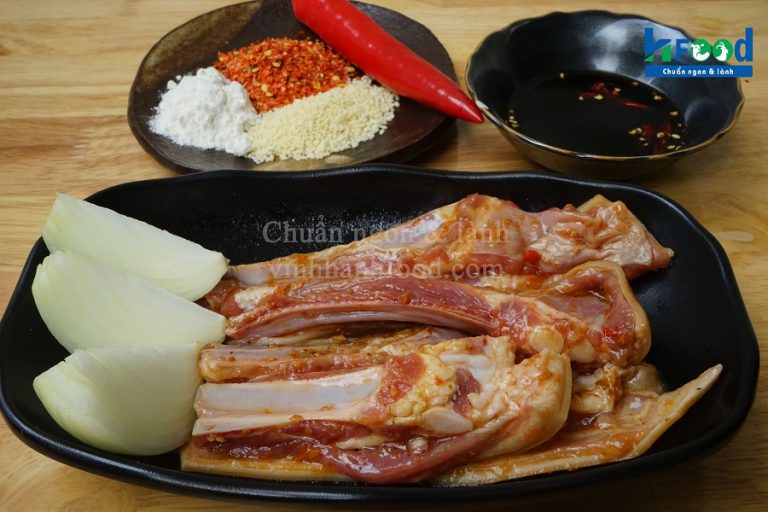
Popular international dishes include roasted leg of lamb with herbs, grilled lamb rack with garlic and rosemary, and pan-seared lamb chops served with light sauces. These dishes emphasize clean flavors and refined presentation, making them common choices in Western and Mediterranean cuisine.
Stewing / Slow-cooking: shoulder, shank, foreleg
Cuts such as shoulder, shank, and foreleg are well suited for moist-heat cooking methods. These parts contain higher levels of collagen and connective tissue, which gradually soften during long cooking. Slow heat allows the collagen to convert into gelatin, resulting in tender meat and a rich, full-bodied texture characteristic of premium lamb meat dishes prepared this way.
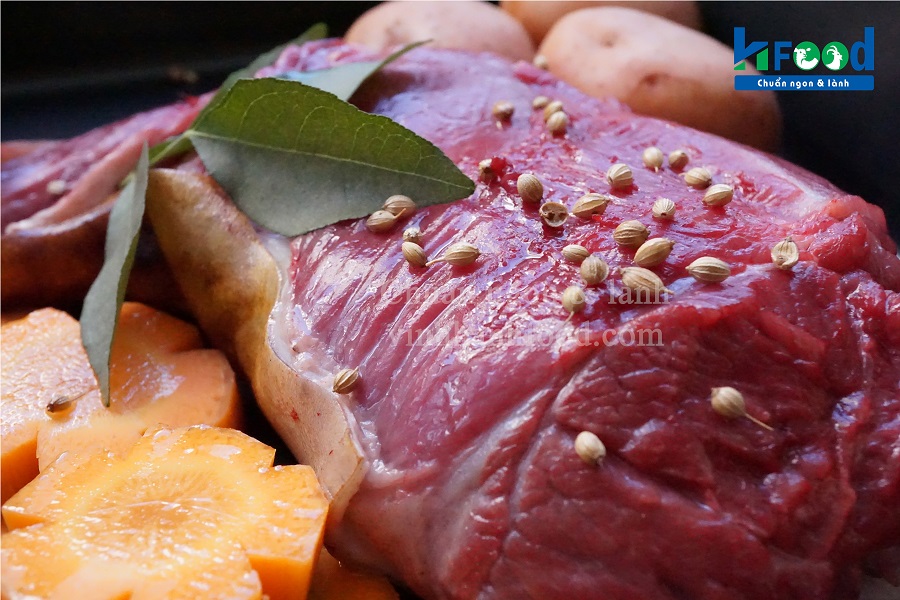
Well-known dishes include lamb shank braised in red wine, slow-cooked lamb shoulder with spices, and traditional lamb stews found in Middle Eastern, French, and Mediterranean cuisines. These recipes focus on depth of flavor and warmth, making them ideal for hearty meals.
Steak / Fine dining dishes: loin, lean cuts
Lean cuts such as lamb loin are commonly used for steak-style preparations in fine dining settings. These cuts have minimal fat and extremely fine muscle fibers, making them sensitive to overcooking. Proper heat control allows the meat to remain juicy while highlighting the delicate flavor of premium lamb meat.
Classic fine dining dishes include lamb loin steak served with light jus, herb-infused sauces, or minimalist accompaniments. These dishes prioritize precision, balance, and presentation, allowing the natural quality of the lamb to take center stage.
Consumer Trends & Premium Lamb Market in Vietnam
The demand for premium lamb meat in Vietnam is rising, driven by modern restaurants, home cooks seeking healthier protein options and the growth of imported and organic food markets. Suppliers like Vinh Hanh Food play an important role by offering transparent sourcing and reliable distribution nationwide.
Conclusion
Premium lamb meat offers exceptional flavor, texture and nutritional value for a wide range of dishes. Understanding cut types, cooking methods and proper storage helps ensure the best results. With trustworthy suppliers such as Vinh Hanh Food, Vietnamese consumers can enjoy high-quality lamb with confidence.
Có thể bạn quan tâm:

Trang Trại Cừu Việt Nam Phát Triển Ra Sao | Trang Trại Cừu Việt Nam Và Thịt Cừu Sạch

Đùi Cừu Sạch Lông Thượng Hạng | Bí Quyết Nấu Đùi Cừu Sạch Lông Ngon Tại Vinh Hạnh Food

Cừu Đực Tơ Là Gì? Khám Phá Hương Vị Cừu Đực Tơ Thượng Hạng Tại Vinh Hạnh Food
Trang Trại Cừu Việt Nam Là Gì? Giá Trị Và Tiềm Năng Của Trang Trại Cừu Việt Nam
Cổ Dê Ngon Dễ Chế Biến | Cổ Dê Chất Lượng Từ Vinh Hạnh Food

Lamb For Stewing Guide: Why Lamb For Stewing From Vinh Hạnh Food Is A Smart Choice