How To Choose Lamb For Stewing: Cuts, Quality, And Cooking Suggestions
Lamb for stewing is widely appreciated for its rich flavor and ability to become tender through slow cooking. However, selecting the right cut, preparing the meat properly, and understanding preservation methods are essential to achieve the best results. In this article, Vinh Hanh Food will provide clear and practical guidance to help both home cooks and professional kitchens choose and use lamb for stewing effectively.
What is lamb for stewing?
The term lamb for stewing refers to lamb cuts that are commonly selected for slow-cooked dishes. These cuts usually come from well-worked areas of the animal and contain higher levels of connective tissue and collagen. When cooked slowly, the meat selected for stewing gradually softens, while collagen breaks down and enriches the cooking liquid.
Suitable cuts for stewing
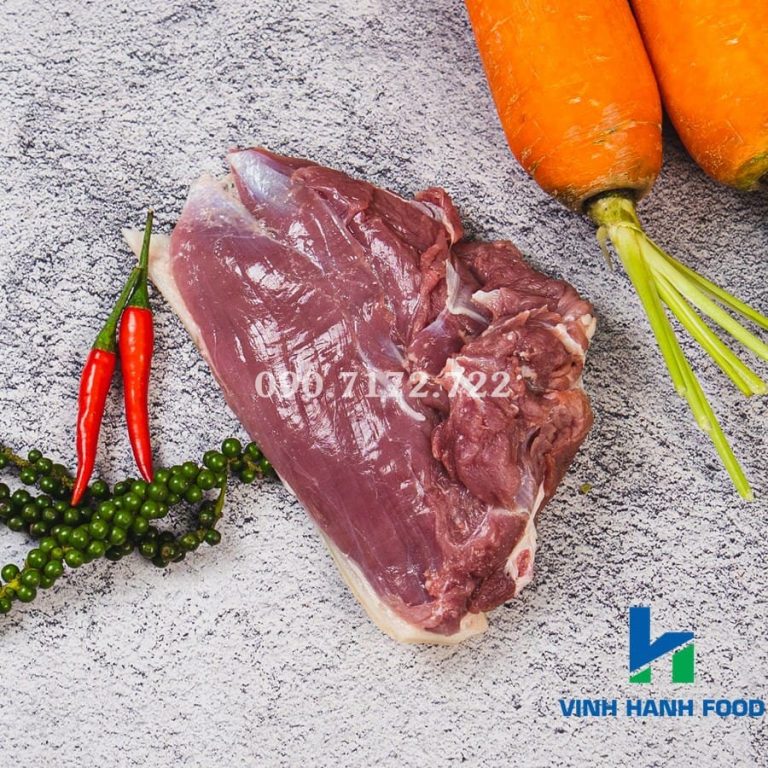
Not all lamb cuts are suitable for slow cooking. Choosing the right part determines how tender the meat becomes and how rich the final dish tastes.
Shoulder
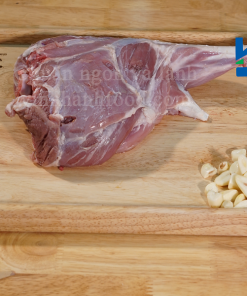
Lamb shoulder is one of the most commonly used cuts as lamb for stewing due to its balanced structure. It contains a combination of lean meat, intramuscular fat, and connective tissue, allowing the meat to soften gradually without losing moisture. During long cooking, shoulder meat absorbs surrounding flavors well and contributes body and richness to the stew.
Shank
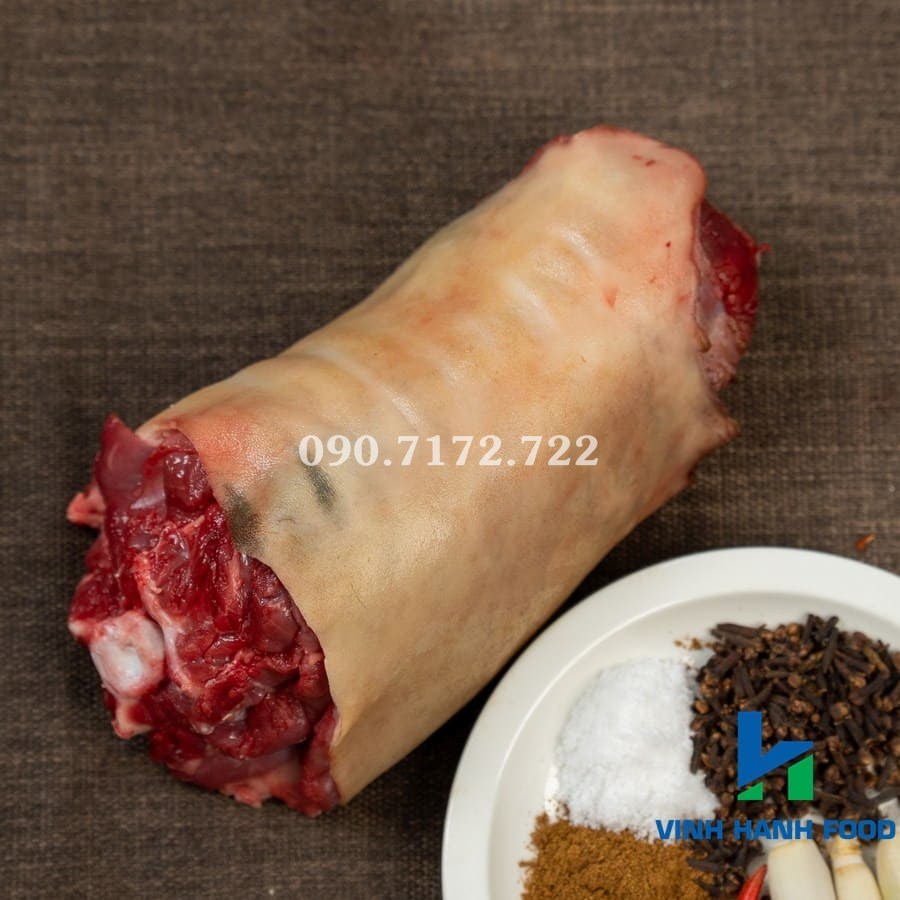
Lamb shank comes from the lower leg, an area that supports much of the animal’s weight. This results in a high concentration of collagen, sinew, and dense muscle fibers. When selected as lamb for stewing, shank requires long cooking time, during which its tough structure breaks down completely. The result is meat that becomes exceptionally tender while releasing intense flavor into the broth.
Cutlet
Lamb cutlets contain both meat and bone, which play an important role in enhancing the depth of stewed dishes. Although cutlets have less connective tissue than shoulder or shank, the bone contributes natural sweetness and aroma during slow cooking. They are often used in combination with other cuts to create a more layered flavor profile in dishes prepared with lamb for stewing.

How to prepare and prepare meat for stewing
Proper preparation ensures that lamb selected for stewing cooks evenly and develops clean, balanced flavor.
Lamb intended for stewing should be briefly rinsed under cold water and patted dry to remove surface residue. Excess external fat can be trimmed to prevent greasiness, while internal fat should be preserved for flavor. Blanching the meat before stewing helps eliminate impurities and reduces strong odors, resulting in a clearer broth and more refined taste.
Suggestions for delicious dishes from marinated meat for stewing
Marinating meat before slow cooking helps enhance depth of flavor and soften muscle fibers. When selecting lamb for stewing, seasoning methods vary across cuisines but share a common goal: balancing richness, aroma, and tenderness during long cooking.
Traditional Vietnamese stew
In Vietnamese cuisine, lamb prepared for stewing is often lightly marinated with ginger, lemongrass, garlic, and shallots. These ingredients help reduce strong aromas while adding warmth and fragrance. The meat is then simmered gently with spices such as star anise, cinnamon, or cloves, allowing flavors to gradually infuse into both the meat and the broth. Dishes in this style focus on balance and clarity rather than heavy seasoning. As a result, lamb for stewing retains its natural richness while remaining easy to eat and comforting.
European dishes: stewed lamb, lamb bourguignon
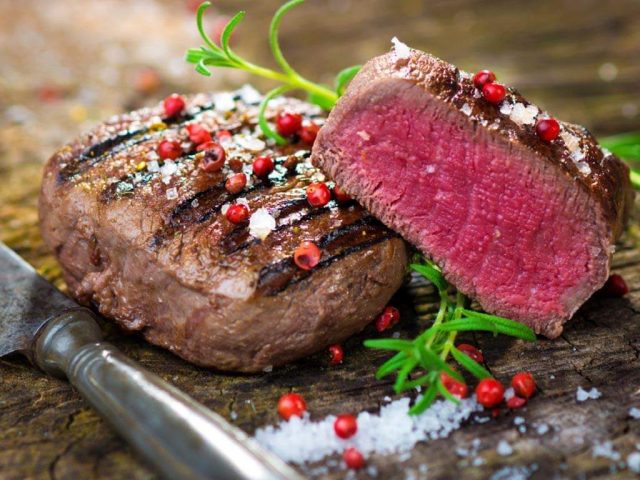
European recipes emphasize layered flavors developed through longer marination and controlled heat. Meat selected as lamb for stewing is typically seasoned with salt, pepper, herbs such as thyme or rosemary, and sometimes garlic before cooking. Wine-based liquids are often used to deepen aroma and complexity.
Lamb bourguignon is a well-known example, where the meat slowly absorbs savory notes over time, resulting in a dish recognized for its richness and refinement.
Combine with vegetables and special types
Vegetables are commonly paired with lamb for stewing to add sweetness, texture, and nutritional balance. Root vegetables such as carrots, potatoes, and turnips release natural sugars during long cooking, complementing the richness of the meat.
Some regional recipes also include legumes, dried fruits, or specialty spices. These ingredients create contrast in texture and flavor while maintaining harmony with the slow-cooked meat.
Preserving meat for stewing
Preserving Lamb for Stewing Before Cooking
Before cooking, lamb for stewing should be kept under simple but strict temperature control to maintain freshness. At this stage, the main goal is to prevent spoilage rather than to store the meat for an extended period.
Raw lamb should be refrigerated at 0-4°C if it will be used within a few days. For longer holding time, freezing at -18°C is recommended. Proper packaging is essential to prevent moisture loss and avoid odor absorption from other foods.

Preserving Stewed Lamb After Cooking
Once cooking is complete, dishes prepared from lamb for stewing require more careful handling due to their moisture content and softened texture. Stewed lamb should be allowed to cool naturally before refrigeration, but it should not remain at room temperature for more than 2 hours, as this increases the risk of bacterial growth.
Dividing large portions into smaller containers helps speed up cooling and ensures even temperature reduction. After cooling, stewed lamb should be stored in airtight containers at 0-4°C. Keeping the meat submerged in its cooking liquid helps retain moisture and prevents drying. Cooked stewed lamb is best consumed within 2-3 days to maintain optimal flavor and texture.
Có thể bạn quan tâm:

Trang Trại Cừu Việt Nam Phát Triển Ra Sao | Trang Trại Cừu Việt Nam Và Thịt Cừu Sạch

Đùi Cừu Sạch Lông Thượng Hạng | Bí Quyết Nấu Đùi Cừu Sạch Lông Ngon Tại Vinh Hạnh Food

Cừu Đực Tơ Là Gì? Khám Phá Hương Vị Cừu Đực Tơ Thượng Hạng Tại Vinh Hạnh Food
Trang Trại Cừu Việt Nam Là Gì? Giá Trị Và Tiềm Năng Của Trang Trại Cừu Việt Nam
Cổ Dê Ngon Dễ Chế Biến | Cổ Dê Chất Lượng Từ Vinh Hạnh Food

Lamb For Stewing Guide: Why Lamb For Stewing From Vinh Hạnh Food Is A Smart Choice