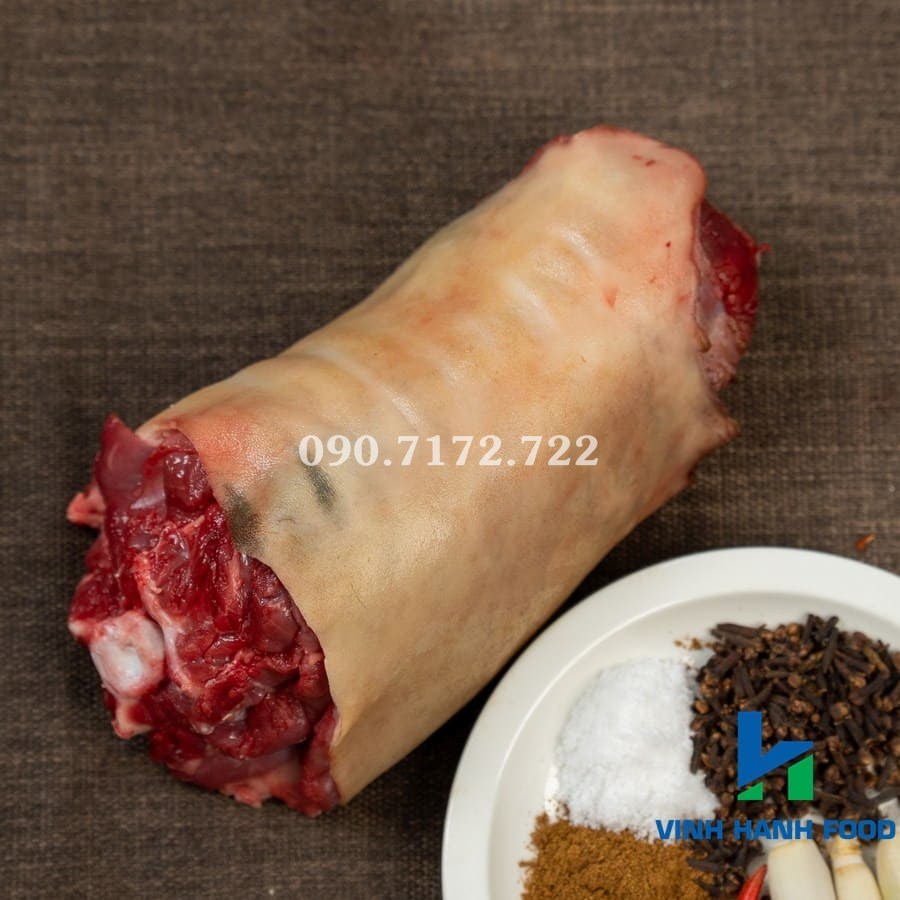
Lamb Export Supplier: What Importers Should Know About Quality, Safety, and Supply
Global demand for lamb continues to grow, especially from importers supplying restaurants, hotels, and food distributors. However, selecting a reliable lamb export supplier requires more than competitive pricing. In this article, Vinh Hanh Food will provide practical insights into quality standards, safety requirements, and supply capabilities that importers should understand before sourcing lamb for international markets.
Vinh Hanh Food – Lamb export supplier
A supplier’s history, operational scale, and long-term vision are critical indicators of reliability in export markets.
With more than eight years of establishment and growth, Vinh Hanh Food has gradually developed into a professional food company specializing in goat and lamb products. The company’s evolution reflects a long-term commitment to improving processing quality, expanding infrastructure, and meeting increasing market demands.
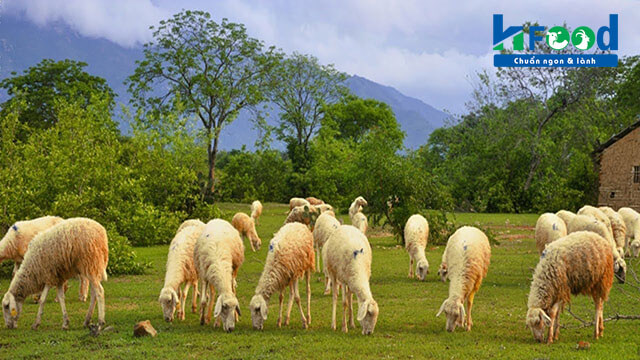
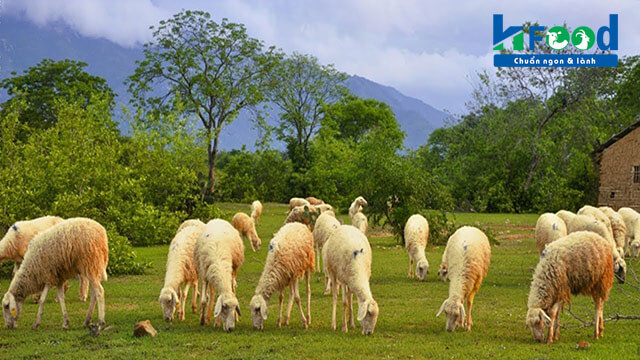
Starting in 2014, the company invested in a certified slaughterhouse in Ninh Thuan Province and provided capital support to local goat and sheep farmers. By securing output and managing nationwide distribution, Vinh Hanh Food established a vertically integrated system that supports traceability and consistent supply for export partners.
Benefits of choosing a professional lamb export supplier
Consistent Product Quality
A reputable lamb export supplier implements standardized procedures across the entire supply chain, from animal sourcing and feeding practices to slaughtering, processing, and packaging. This systematic approach minimizes variation between batches, ensuring that each shipment meets the same quality benchmarks.
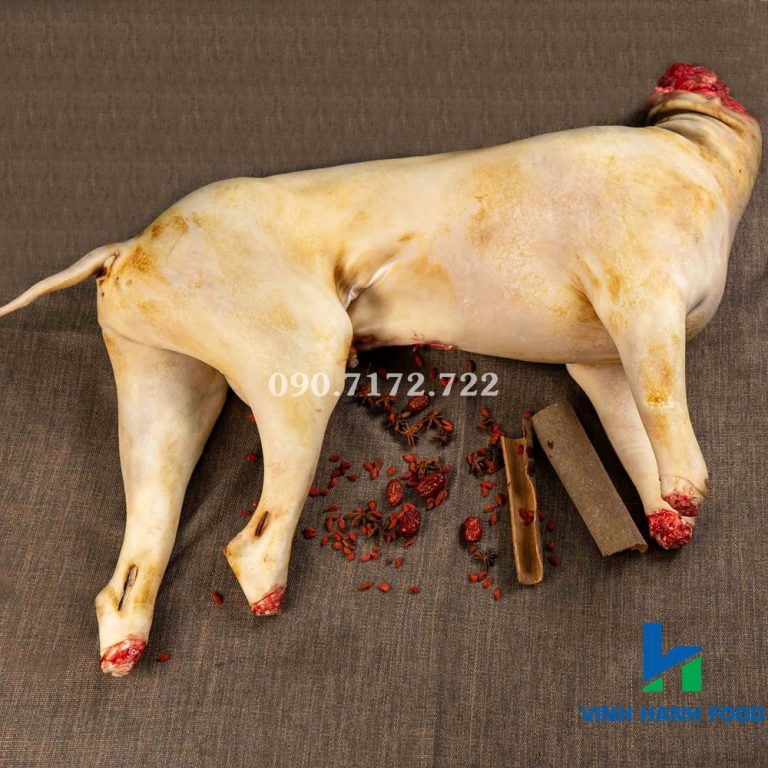
For importers supplying restaurants and hotels, consistent quality translates directly into stable menu performance. Chefs can rely on predictable texture, flavor, and yield, allowing them to maintain dish standards without constant recipe adjustments. In retail or wholesale distribution, uniform quality also strengthens brand reputation and reduces customer complaints related to product inconsistency.
Reduced Operational and Compliance Risks
Working with a professional lamb export supplier significantly reduces regulatory and operational risks for importers. Certified slaughterhouses, hygienic processing facilities, and documented workflows ensure compliance with food safety standards required by importing countries.
Proper documentation, including origin records and processing certifications, simplifies customs clearance and minimizes delays at ports. This is especially important for chilled or frozen lamb products that rely on strict cold-chain timing.
From an operational perspective, a reliable supplier reduces unexpected disruptions such as shipment rejections, compliance audits, or product recalls, allowing importers to plan inventory and distribution more efficiently.
Criteria for choosing a lamb export supplier
Before entering a long-term partnership, importers must assess suppliers using clear and practical evaluation criteria. These criteria help determine whether a supplier can meet quality expectations, regulatory requirements, and operational demands in international trade.
Proven Supply Capacity and Planning Ability
One of the first criteria importers should examine is whether the supplier can demonstrate proven supply capacity. This includes historical production data, farming scale, and the ability to plan output in advance.
A qualified lamb export supplier should be able to explain how volumes are maintained throughout the year and how supply risks are managed during seasonal fluctuations. Importers should look for suppliers that can provide realistic forecasts instead of short-term volume promises.
Transparency in Processing and Documentation
Transparency is a key evaluation criterion in export sourcing. Importers should verify whether the supplier can clearly present slaughtering procedures, processing workflows, and quality control checkpoints.
Complete documentation such as origin records, processing certifications, and batch tracking systems indicates a supplier’s readiness for international compliance.
Cold Chain Control and Export Readiness
Beyond processing quality, importers must assess whether the supplier is technically prepared for export logistics. This includes cold storage capacity, temperature monitoring, and coordination with international shipping partners.
A lamb export supplier that understands export timelines and cold-chain requirements reduces risks related to spoilage, delays, or shipment rejection.
Communication and Responsiveness
Effective communication is often overlooked but remains a critical selection criterion. Importers should evaluate how quickly and clearly a supplier responds to inquiries, changes, or unexpected issues.
A responsive supplier supports smoother coordination during documentation submission, shipment scheduling, and quality verification.
Demand for high-quality lamb is increasing in restaurants and hotels
In the hospitality sector, lamb is increasingly positioned as a premium protein used to elevate menu value and dining experience. As a result, restaurants and hotels depend more heavily on a reliable lamb export supplier to meet strict requirements for consistency, food safety, and uninterrupted supply.
International Restaurant and Hotel Demand
In international hotel chains and upscale restaurants, lamb consistently appears in fine dining menus and themed cuisines such as Middle Eastern, Mediterranean, and European dining. Industry reports indicate that in many five-star hotels, lamb-based dishes account for 15-25% of premium protein offerings on seasonal menus.
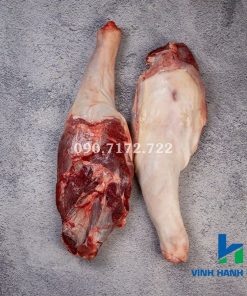
These kitchens require strict portion control, predictable yield, and uniform taste across locations. To meet these standards, purchasing managers prioritize working with a certified lamb export supplier that can deliver consistent specifications across multiple shipments. In addition, international hotel groups often operate centralized procurement systems, making long-term contracts with exporters essential for maintaining supply continuity across regions.
Restaurant and Hotel Demand in Vietnam
In Vietnam, lamb consumption within restaurants and hotels has grown steadily over the past five years, particularly in major cities such as Ho Chi Minh City, Hanoi, and Da Nang. Industry observations show that lamb dishes now appear in 30-40% of international or premium restaurant menus in urban hospitality hubs.
Hotels serving international guests increasingly include lamb to meet expectations from Middle Eastern, European, and Australian travelers. This shift has encouraged hotel kitchens to prioritize sourcing from a qualified lamb export supplier that can meet strict requirements related to food safety, traceability, and consistent quality. From an operational perspective, inconsistent lamb quality has been identified as a key reason for menu removal or supplier replacement in Vietnamese hotels, reinforcing the importance of stable sourcing partners.
Importance of Long-Term Supply Partnerships for Hospitality
For restaurants and hotels, working with a long-term lamb export supplier supports menu planning, cost forecasting, and service consistency. Hospitality operators report that long-term supplier relationships reduce ingredient-related disruptions by 20–30% compared to short-term sourcing.
Stable partnerships also allow chefs to standardize recipes, train kitchen staff effectively, and deliver consistent dining experiences to repeat guests. As competition intensifies in the hospitality sector, selecting the right lamb export supplier has become a strategic decision closely tied to brand positioning and customer satisfaction.
Conclusion
Choosing the right lamb export supplier is a strategic decision that affects product quality, regulatory compliance, and long-term business growth. By understanding supplier background, quality standards, and supply capabilities, importers can build sustainable partnerships. With its structured development, certified facilities, and clear vision, Vinh Hanh Food stands as a reliable option for businesses seeking consistent and professional lamb export solutions.
Có thể bạn quan tâm:

Trang Trại Cừu Việt Nam Phát Triển Ra Sao | Trang Trại Cừu Việt Nam Và Thịt Cừu Sạch

Đùi Cừu Sạch Lông Thượng Hạng | Bí Quyết Nấu Đùi Cừu Sạch Lông Ngon Tại Vinh Hạnh Food

Cừu Đực Tơ Là Gì? Khám Phá Hương Vị Cừu Đực Tơ Thượng Hạng Tại Vinh Hạnh Food
Trang Trại Cừu Việt Nam Là Gì? Giá Trị Và Tiềm Năng Của Trang Trại Cừu Việt Nam
Cổ Dê Ngon Dễ Chế Biến | Cổ Dê Chất Lượng Từ Vinh Hạnh Food

Lamb For Stewing Guide: Why Lamb For Stewing From Vinh Hạnh Food Is A Smart Choice